



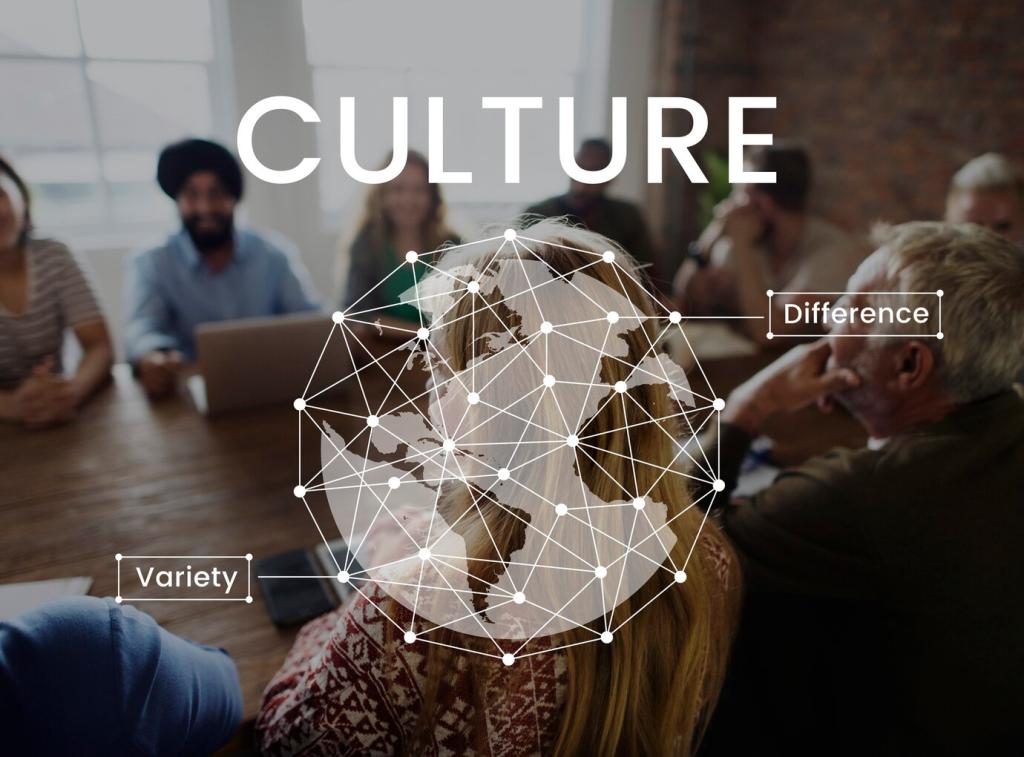
Cultural Shifts and the Evolution of Human Thought

From Myths to Models: A Timeline of Changing Minds

Before libraries, wisdom traveled by voice: fireside myths, parables, and memory-rich epics. Then came restless questions—Socratic dialogues in Athens, probing verses in the Upanishads—inviting people not only to remember stories, but to rethink them publicly, together.

From Myths to Models: A Timeline of Changing Minds

Cuneiform tablets archived grain and agreements; codices preserved laws and lessons beyond a single lifetime. Written records cooled thought, slowing it enough to critique, revise, and transmit. Share a text that changed how your family remembers its own history.

Technologies That Tilt Culture

Gutenberg’s press crashed the cost of copying, and arguments could finally sprint. Pamphlets carried Luther’s theses past pulpits and princes, widening the audience for dissent. Which pamphlet, zine, or newsletter first taught you that debate belongs to everyone?

Technologies That Tilt Culture

Radio knit distant kitchens into a single listening room. Television staged national moments, letting millions process joy or grief together. Think of a broadcast that shaped your worldview—share the memory and why it still echoes when big news breaks.

Power, Identity, and Whose Ideas Prevail

Centers, Margins, and Gatekeeping

Colonial routes carried goods and ideas, but often silenced local wisdom. Gatekeeping institutions defined what was ‘universal.’ Today’s open platforms amplify counter-histories. Which archive, museum, or community project helped you hear a story long held offstage?

Language as a Lens on Reality

Words tug at perception. The terms we inherit can both illuminate and limit. Bilinguals often report shifting selves between tongues. Tell us a phrase—proverb, idiom, or lyric—that unlocked a different way to notice meaning in daily life.

Movements that Rewrite Norms

From suffrage to civil rights, collective courage recalibrates common sense. Change feels impossible, then inevitable. Which local movement—school board effort, mutual aid, or cultural festival—showed you that enduring shifts begin in near-at-hand places and persistent conversations?
Stowe’s novel helped readers feel the human costs of slavery, braiding empathy with criticism. When a story makes injustice undeniable, thought follows. Which character—heroic or flawed—taught you something you could not learn from statistics alone?

Stories That Changed How We Think

Rachel Carson’s quiet prose carried a loud warning, transforming environmental awareness. It showed how scientific clarity plus humane storytelling can shift norms. Share a moment when nature spoke to you and changed your daily habits for good.

Stories That Changed How We Think

Mind Science Meets Culture

When evidence jars against identity, tension rises. We often edit facts to protect belonging. Communities that normalize ‘I changed my mind’ reduce shame and enable growth. How do you make it safe to update your views in public?

Mind Science Meets Culture

Brains rewire with practice. Learning a language or craft widens perceptual bandwidth. Tiny routines—curiosity notes, weekly debates—accumulate. Which habit has most expanded your perspective this year? Share it so others can borrow your blueprint for capacity-building.

Designing Better Conversations

Before replying, restate the other view as strongly as possible. Ask, ‘What would I need to believe for that to feel true?’ This small discipline builds intellectual trust. Which question most reliably opens rather than closes your conversations?

Designing Better Conversations

Host a monthly salon, rotate facilitation, and set gentle ground rules. Begin with a poem; end with commitments. Consistency beats intensity. Share a ritual—however modest—that keeps your circle learning when headlines are loud and patience feels scarce.
Plantaeldientedeleon
Privacy Overview

This website uses cookies so that we can provide you with the best user experience possible. Cookie information is stored in your browser and performs functions such as recognising you when you return to our website and helping our team to understand which sections of the website you find most interesting and useful.