
Exploring the Impact of Globalization on Cognitive Development
Global Classrooms, Growing Minds
Research suggests that regularly switching between languages can strengthen inhibition, working memory, and mental shifting. Results vary, but many learners report sharper focus when juggling multiple codes. What languages shape your day, and how do they influence your ability to switch tasks? Tell us and invite a friend to weigh in.
When students tackle shared problems with peers from different countries, they encounter new assumptions and must justify their reasoning clearly. This often boosts perspective-taking and creativity. Have you tried international group projects or virtual exchanges? Comment with highlights, challenges, and tips for managing time zones gracefully.
A teacher paired her class with students abroad to debate local environmental choices. One quiet student blossomed after reading a letter describing drought. His argument gained nuance, he asked deeper questions, and classmates noticed. Want more classroom stories like this? Subscribe and share your own cross-border teaching moments.
Screens, Streams, and Global Attention
Information Abundance and Cognitive Load
Global feeds can overwhelm working memory, especially when notifications fragment attention. Chunking tasks, defining goals, and batching content checks lower cognitive strain. Which techniques keep your focus intact while learning online? Drop your best strategies so others can test, refine, and pass them forward.
Global Media Literacy as a Protective Skill
Critical evaluation of sources, cross-checking claims, and recognizing persuasive framing help learners navigate viral narratives. Teach kids to ask, “Who benefits if I believe this?” Share your favorite kid-friendly fact-checking tools or games, and let’s build a community playbook for wiser scrolling habits.
Healthy Digital Routines for Young Minds
Sleep-friendly schedules, device-free meals, and creator-mode sessions curb passive consumption. Try themed viewing weeks exploring cultures, then reflect together. What small habit changed your household’s media mood? Post it below, and subscribe for printable routines that families worldwide have tested in real life.
Bicultural Identity as a Mental Toolkit
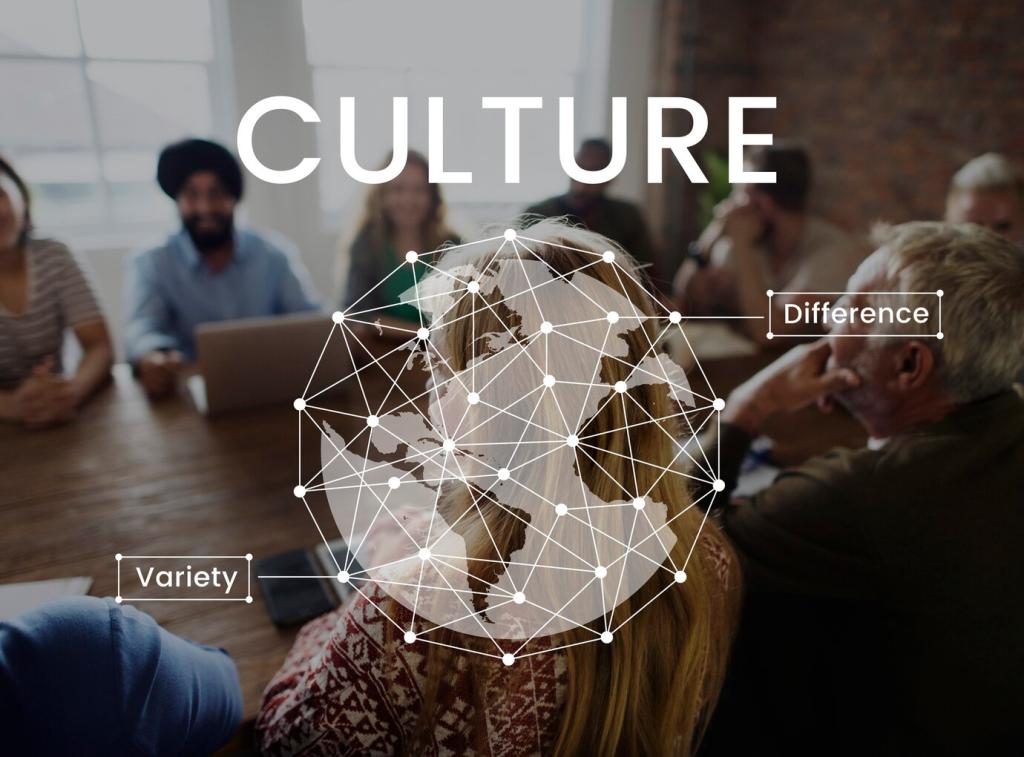
Shifting between cultural norms may train flexible thinking, helping young people read context and select responses more deftly. Many migrants describe noticing details others miss. If you navigate multiple cultural codes, how has it changed your problem-solving? Share your story and inspire someone starting that journey.
Acculturation Stress and Protective Factors
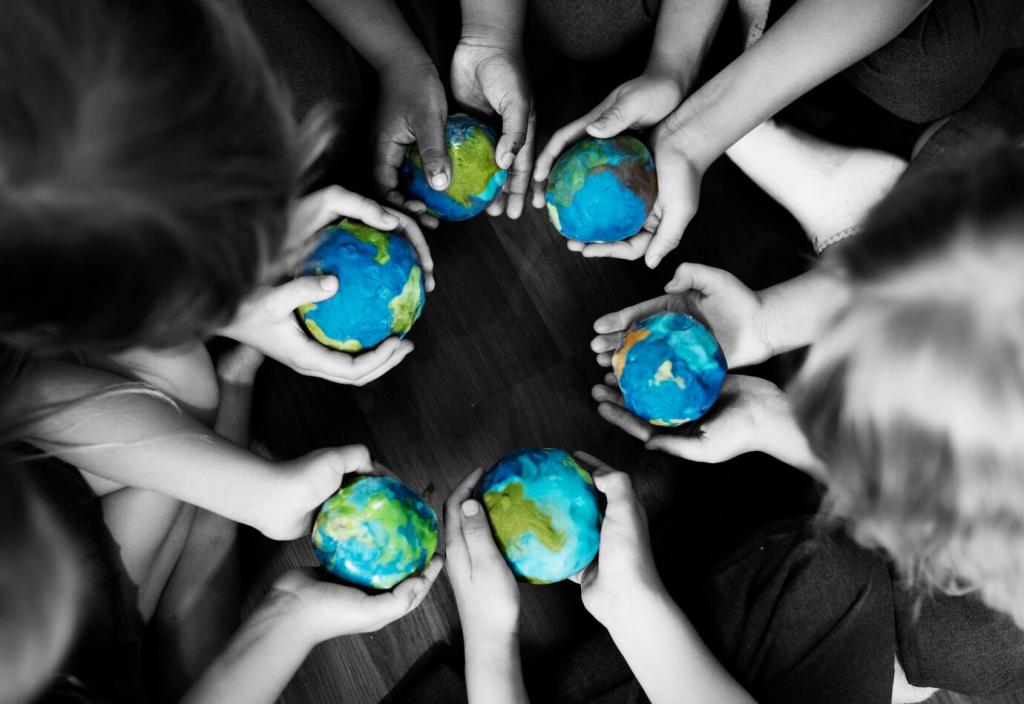
New languages, systems, and expectations can strain cognition; supportive networks, mother-tongue continuity, and mentoring reduce the load. Schools that value home culture often see better engagement. What welcoming practices worked in your community? Comment so others can adapt and implement them quickly.

Story: A Teen Reframing Home
After relocating, Maya called her grandmother weekly to cook regional dishes over video. Those rituals anchored her memory and eased school transitions. Her grades rose as confidence grew. Do you have a grounding ritual that protects learning during change? Share it and subscribe for more practical ideas.
Inequality in a Connected World
Some children enjoy diverse books, mentors, and travel, while others face scarce resources and time. These differences shape curiosity and executive skills. What local partnerships could share enrichment equitably? Tell us what worked in your city, and help readers replicate your approach elsewhere.
Inequality in a Connected World
Radio lessons, SMS tutoring, and community reading circles have boosted learning in low-connectivity areas. Simple, consistent routines build cognitive momentum. Have you tried micro-programs like these? Post outcomes or pitfalls, and subscribe to receive case summaries and templates to pilot in your neighborhood.
Brains reorganize with practice and novelty. Exposure to varied languages, maps, and social norms creates opportunities to refine attention and memory. Balance matters: too much novelty can overwhelm. How do you scaffold new experiences to keep curiosity high without overload? Share your phased approach.
What Neuroscience Suggests
Lifelong language use may contribute to resilience in aging, possibly delaying certain declines for some people. It is not a guarantee, but it is a promising avenue. Which intergenerational language routines work in your family? Post your tips and help others make them joyful and sustainable.
What Neuroscience Suggests
How Families Can Nurture Global Cognition at Home
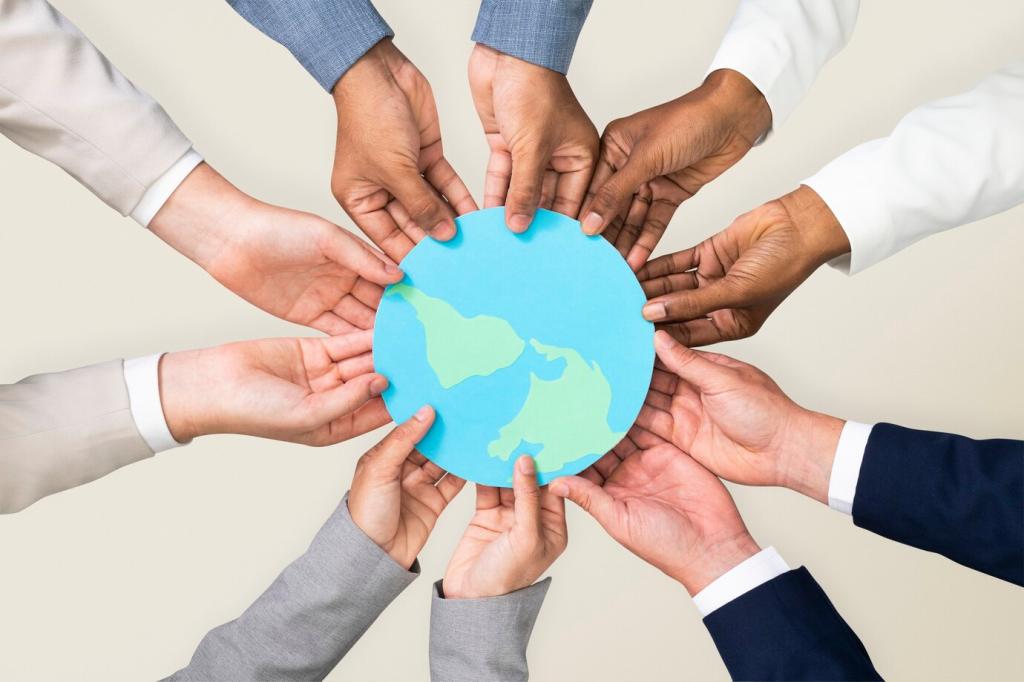
Cook recipes from a country in the news, map the journey of ingredients, and learn a greeting phrase together. These small rituals make the world feel friendly and knowable. What weekly tradition could your family start tonight? Share it, and subscribe for a printable starter plan.